
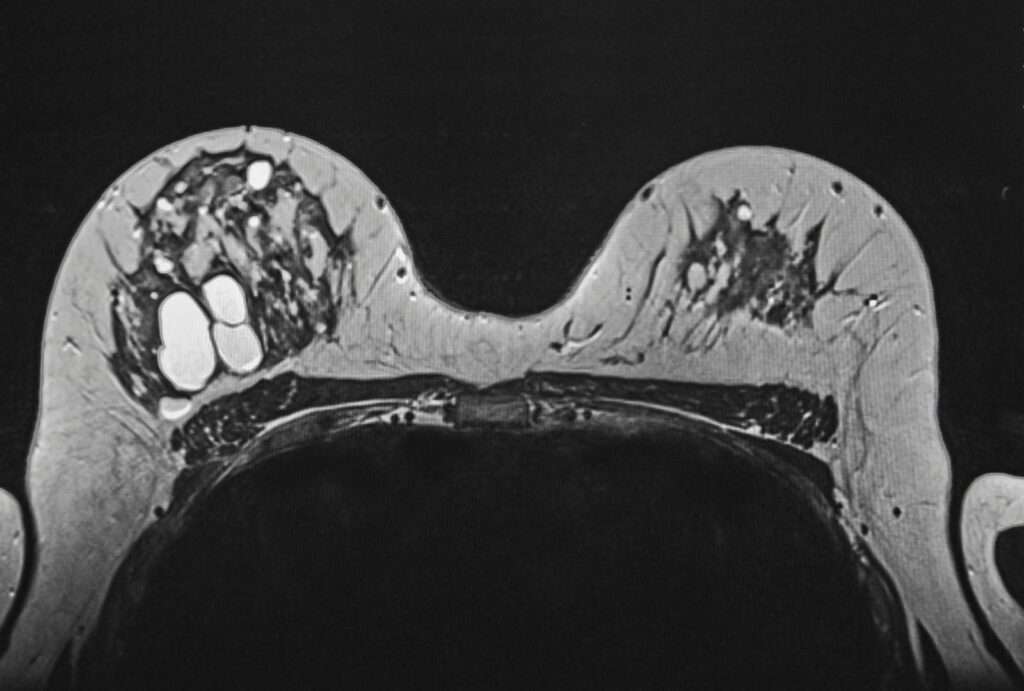
Breast health is an essential part of overall wellness, and mammograms are one of the most effective tools for early detection of breast cancer. Understanding how often to book a mammogram can be confusing, as recommendations vary depending on factors such as age, family history, and individual risk. By learning about these guidelines, women can take proactive steps to safeguard their health. Whether you’re scheduling your first mammogram or maintaining a regular screening routine, staying informed empowers you to make the best decisions for your long-term well-being.
What is a Mammogram and Why is it Important?
A mammogram is specialised medical imaging that uses a low-dose of x-ray to examine the breast for the early detection of breast cancer before symptoms appear. During the mammogram examination, the breast is gently compressed between two plates to spread out the tissue and ensure clear imaging. The procedure usually takes only a few minutes, but the results can provide valuable insights into a woman’s breast health.
Mammograms are vital for early detection of breast cancer, as they can identify small tumors or changes in breast tissue before they become palpable, significantly improving treatment outcomes. Regular screenings also allow healthcare providers to monitor any changes in breast tissue over time, making it easier to spot unusual patterns that may require further attention. For many women, routine mammogram screening for breast cancer detection offers peace of mind by detecting potential issues early, when treatment is most effective. By catching cancer in its early stages, mammograms can prevent the disease from advancing to more serious stages. Overall, regular mammograms play a key role in both detecting and monitoring breast health.
2. How Often Should You Get a Mammogram?
While mammograms are an essential part of breast health, the frequency at which women should schedule one varies depending on a variety of factors, such as age, family history, and the presence of warning signs or symptoms. Let’s take a closer look at the different circumstances that influence how often a woman should book a mammogram.
• Women Over 40 – Standard Guidelines
For most women, regular mammograms are recommended starting at age 40. According to health organisations like the The Cancer Association of South Africa (CANSA) and the American Cancer Society (ACS), women in this age group should aim to have a mammogram every 1 to 2 years. The rationale behind starting at age 40 is that breast cancer risk increases with age, and routine screening allows for the early detection of any potential issues before they develop into more serious conditions. Additionally, regular screening ensures that any changes in breast tissue are caught early, which is vital for effective treatment.
• Women With a Family History of Breast Cancer
Women with a family history of breast cancer, especially in first-degree relatives (mother, sister, or daughter), may be at higher risk for developing the disease themselves. In these cases, women should consider starting mammogram screenings earlier than the standard recommendation of age 40, often as early as 10 years before the age at which the family member was diagnosed.• Women With High Risk Due to Genetic Mutations, Certain genetic mutations, such as BRCA1 and BRCA2, can significantly increase a woman’s risk of developing breast cancer. Women who carry these mutations or have other genetic risk factors should have a more tailored approach to breast cancer screening.
• Women Experiencing Symptoms or Warning Signs
In addition to routine screenings, women should be alert to any concerning breast symptoms, such as a lump or thickening, changes in size or shape, unexplained pain, or unusual nipple discharge. If any of these symptoms occur, it’s important to consult a doctor who may recommend a mammogram or ultrasound to assess the cause. Even women under 40 should seek a screening if they notice any changes, as early detection is crucial for effective treatment. Being proactive about breast health and seeking diagnostic tests when necessary, can help identify potential issues before they become serious. It’s always better to take precautions and get checked if any concerns arise.
• Post-Menopausal Women
After menopause, the risk of developing breast cancer continues to increase, and women are often advised to continue having regular mammograms, typically every 1 to 2 years. For women aged 50 and older, mammogram screenings remain an essential tool for detecting breast cancer, even if no symptoms are present. If a woman is in good health and has no family history of breast cancer, she may continue screening every 2 years. However, any changes in breast tissue or health conditions should prompt more frequent screening.
3. Radhiant’s Role in Accessible, Convenient, and Affordable Breast Cancer Screening
At Radhiant, we recognise the critical role of early detection in maintaining women’s health, which is why we are committed to making breast cancer screening both accessible and affordable for women across South Africa. We offer a mobile mammogram service that brings screenings directly to your neighbourhood, allowing you to receive care at times that suit your schedule—no need to travel long distances or take time off work. Our mobile units are equipped with the latest, state-of-the-art mammography technology, ensuring high-quality images and precise results. Additionally, we offer a very affordable and competitive cash rate, making it easier for women to prioritise their breast health without breaking the bank. At Radhiant, we believe that access to regular mammograms should be convenient, reliable, and within reach for every woman.
4. Radhiant’s Unique Selling Propositions
What sets Radhiant apart from other breast cancer screening providers? Here are just a few of our unique selling points:
- Convenience:
We bring our mammogram service to you. Our mobile mammography units travel to various communities across South Africa, making it easy for women to access essential screenings without the stress of clinic or hospital visits.
- Affordability:
At Radhiant, we believe that cost should never be a barrier to life-saving care. We offer affordable mammograms with flexible payment options, ensuring that more women can access screenings regularly.
- Comfort and Compassion:
We understand that the thought of a mammogram can be anxiety-inducing for some women. That’s why our team is trained not only in medical expertise but also in bedside manner. Our staff takes the time to explain the procedure, answer questions, and ensure that every woman feels comfortable and cared for throughout the process.
- Accessibility Across South Africa:
Whether you live in a major city or a rural area, Radhiant brings breast cancer screenings closer to you. We are committed to increasing access to mammography services across the country.
5. The Cost of a Mammogram
At Radhiant, we strive to make mammogram screenings as affordable as possible. For those with medical aid, we claim directly from the designated screening benefit, which is a specific amount set aside by your medical aid for mammograms—this amount cannot be used for other expenses. For example, if your medical aid designates a specific amount for mammograms, we claim that exact amount, ensuring it does not impact your day-to-day savings or other benefits. For those paying out of pocket, we offer a competitive cash rate of R1100, the lowest in the country. Additionally, we do not charge any call-out fees, further reducing the cost and making it easier for women to access this essential screening service.
Conclusion
Mammograms are an essential part of breast health, offering a crucial opportunity for the early detection of breast cancer. Women should start regular screenings at age 40, but those with a family history or other risk factors may need to begin earlier. In any case, early detection and consistent monitoring can make a significant difference in outcomes. At Radhiant, we are dedicated to making mammogram screenings convenient, affordable, and accessible for women throughout South Africa. With our mobile units, expert staff, and compassionate care, we aim to empower women to take control of their breast health and give them peace of mind. Book your next mammogram with us today and ensure that you stay on top of your health.